
Awe is having a moment. Once considered the territory of poets and philosophers, it’s now being recognised by neuroscientists, psychologists and experience designers as one of the most transformative emotions we can evoke.
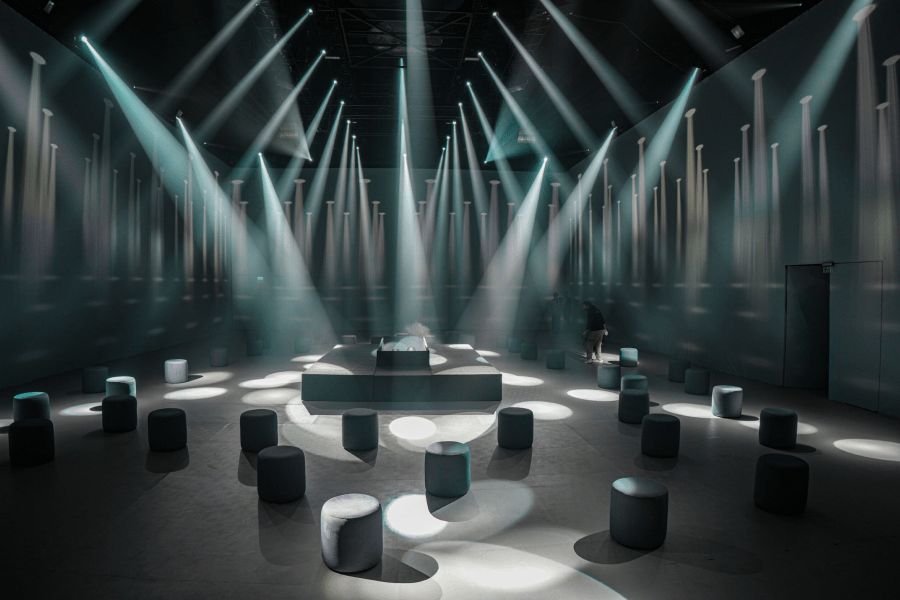
From ABBA Voyage to teamLab Borderless and the escapades of Meow Wolf, the most powerful experiences don’t simply entertain – they awe. They expand perspective, dissolve ego, and make people feel part of something larger than themselves.
Recent research underscores what great experience designers already sense:
- Awe changes behaviour. Studies show that people who feel awe become more generous, curious and community-minded.
- Awe aids wellbeing. It lowers stress and inflammation, improving both mood and physical health.
- Awe deepens memory. Experiences rich in awe are remembered longer and rated more meaningful.
- Awe drives loyalty. Brands and cultural attractions that elicit awe – from Disney’s Galaxy’s Edge to the Museum of the Future Dubai – consistently outperform their peers in visitor satisfaction and repeat engagement.
For designers, producers and strategists working across live, digital and hybrid media, awe is not decoration. It’s the emotional architecture that turns a good experience into a truly lasting one.
Dorchess de Koning: Awe Academy on Awe
To explore how awe can be consciously designed and applied, the World Experience Organization invited Dorchess de Koning, founder of Awe Academy, to lead an intimate, highly participatory Campfire.
This workshop was smaller in scale than usual but no less powerful for it. Rather than a structured presentation, it unfolded as a shared exploration, inviting participants to experience awe directly through reflection, movement and dialogue.
“Learning begins with wonder,” began de Koning. “Wonder is part of curiosity. It causes questions – how does this work? What’s happening?”
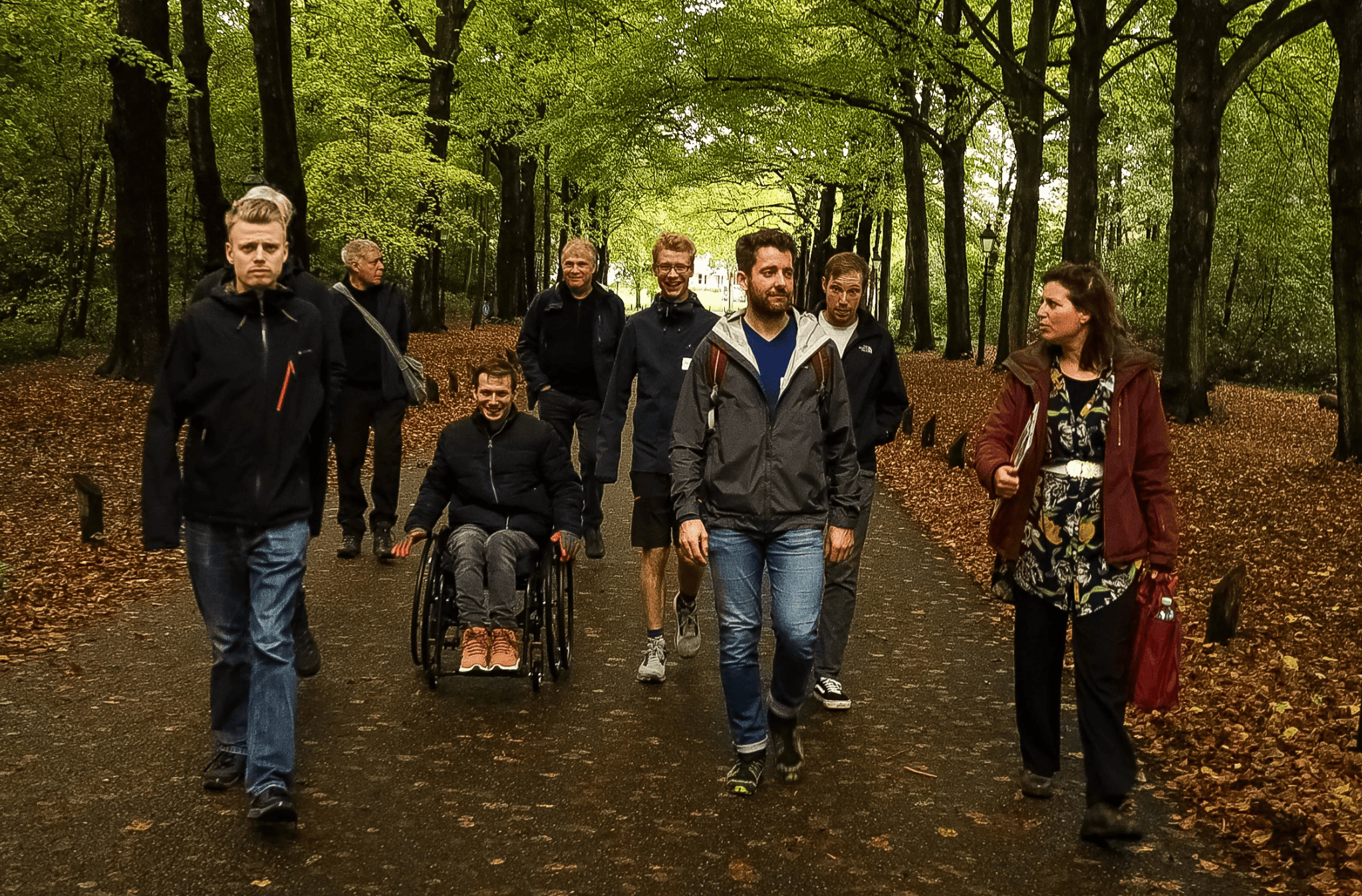
9. Always Start With Awareness
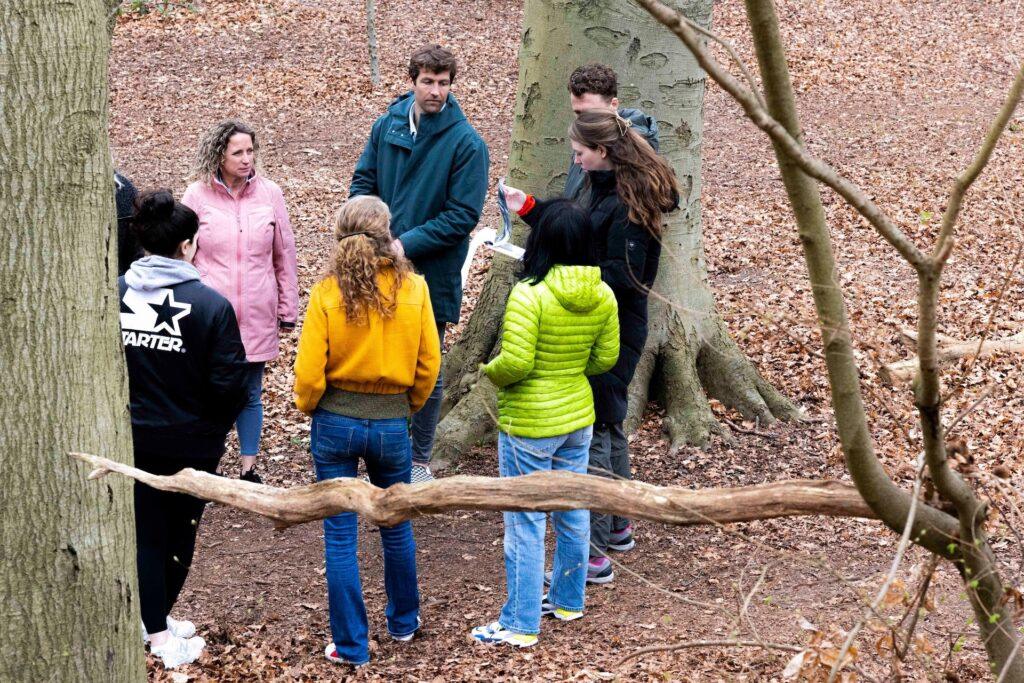
Awareness is the foundation of all learning.
“Open your senses to what is around you. What stands out? What is alive?” – Dorchess de Koning
Awareness allows us to notice stagnation and reconnect with the present. It is the first step towards creative or organisational renewal.
8. Rediscover the Value of Wonder
If awareness opens the senses, it is wonder that keeps them open.
“Wonder is that moment of being stopped in your tracks.” – Dorchess de Koning
Wonder encourages experimentation and reflection, she observed. For experience designers, it’s the shift from managing outputs to inviting discovery – the very essence of user-centred design.
7. Choose Awe Over “Wow”
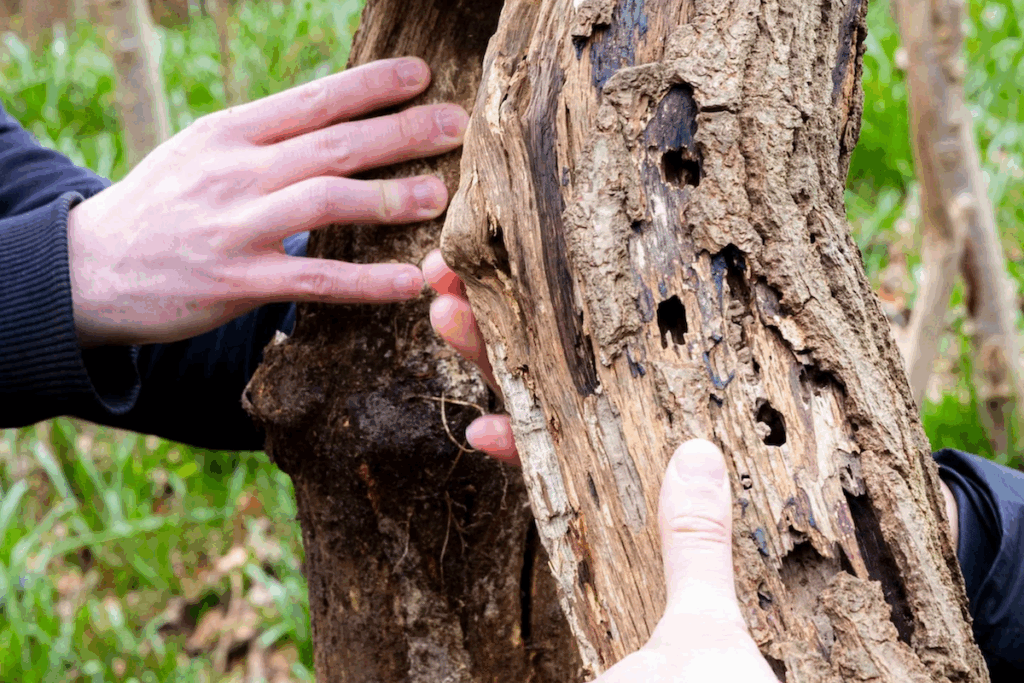
Where “wow” is fleeting, awe endures – a statement that truly resonated with the workshop attendees. The goal is not higher volume or spectacle but depth – moments that invite humility, empathy and meaning.
“Wowing is often highly curated. It gives an adrenaline rush, a dopamine hit. Awe arrives unexpectedly and captivates our full attention.” – Dorchess de Koning
6. Understand Awe’s Biological Benefits
Awe, de Koning explained, has measurable physiological effects.
“It cools our immune system’s inflammation response and strengthens our bodies. It activates our inclination to share and create strong networks.” – Dorchess de Koning
Evidence from Berkeley’s Greater Good Science Center supports this: participants in awe experiments show lower cytokine levels (markers of inflammation) and increased cooperation. Here was the science to back up all the good intentions.
5. Unlearn Through Theory U
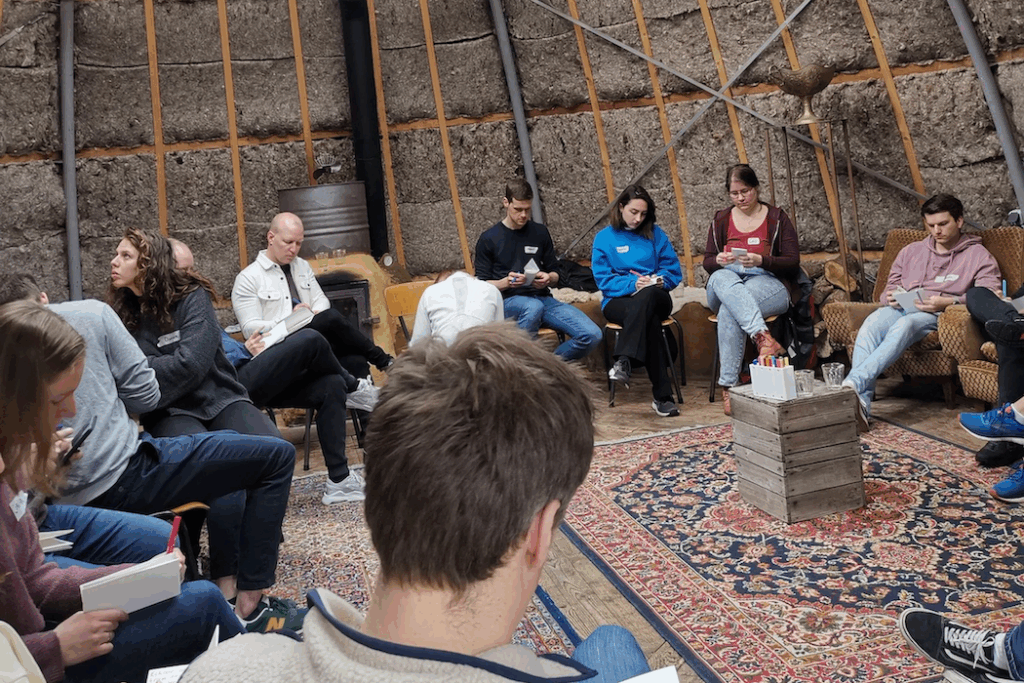
Drawing on Otto Scharmer’s Theory U, de Koning described how change follows a U-shaped path: descent into discomfort, emergence with insight.
“You will only feel a need for change if it’s uncomfortable or awkward enough. From that bottom of the pit is where the change sets in.” – Dorchess de Koning
For teams, she continued, awe provides the energy and safety needed to stay present through uncertainty.
4. Listen With the Whole Body
In one breakout exercise, participants listened to a short piece of music, noting sensations before discussing their responses.
“Become aware of your thoughts and your physical sensations. Any emotion is welcome.” – Dorchess de Koning
The practice built empathy and focus – qualities often lost in digital collaboration.
3. See Before You Speak
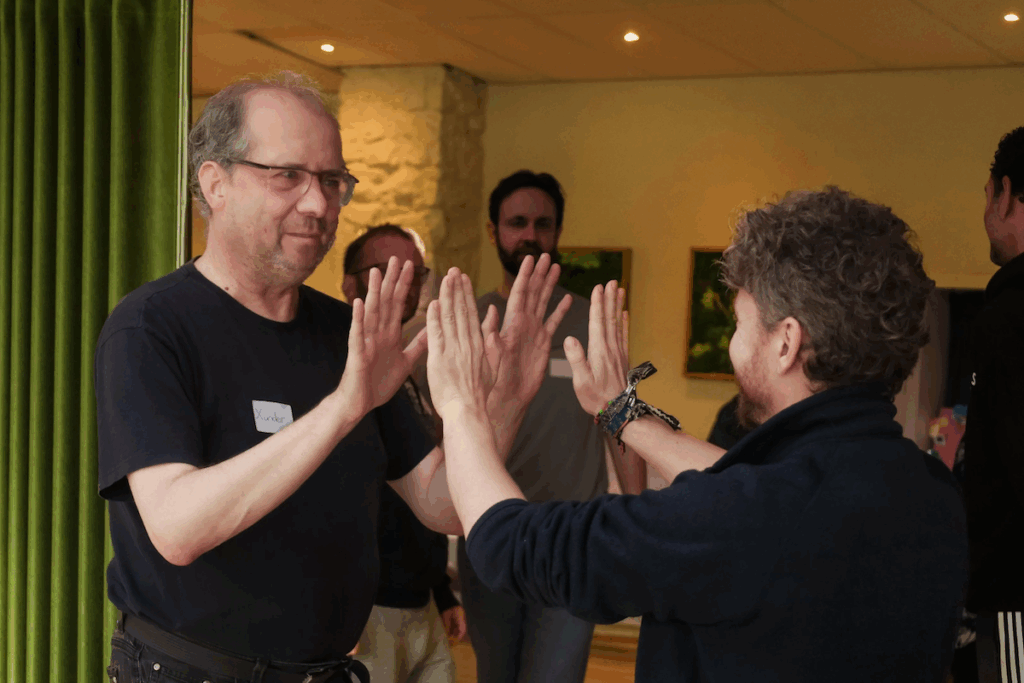
At a second breakout session, randomly chosen pairs spent two minutes in silent eye contact before describing the qualities they saw in each other.
“People often reflect qualities that are astonishingly accurate. When they hear them reflected back, it really has an impact.” – Dorchess de Koning
When the attendees reported back, the answer was unanimous. The result was immediate trust – a reminder that true connection begins with presence, not performance.
2. Work the Layers: From Self to System
Recognising these nested systems allows experience designers to craft experiences that ripple outward, influencing culture as well as individuals.
“We have physical, emotional, intellectual and spiritual layers. These are layers we belong to – self, team, community, world, future.” – Dorchess de Koning
1. Integrate, Reflect and Continue
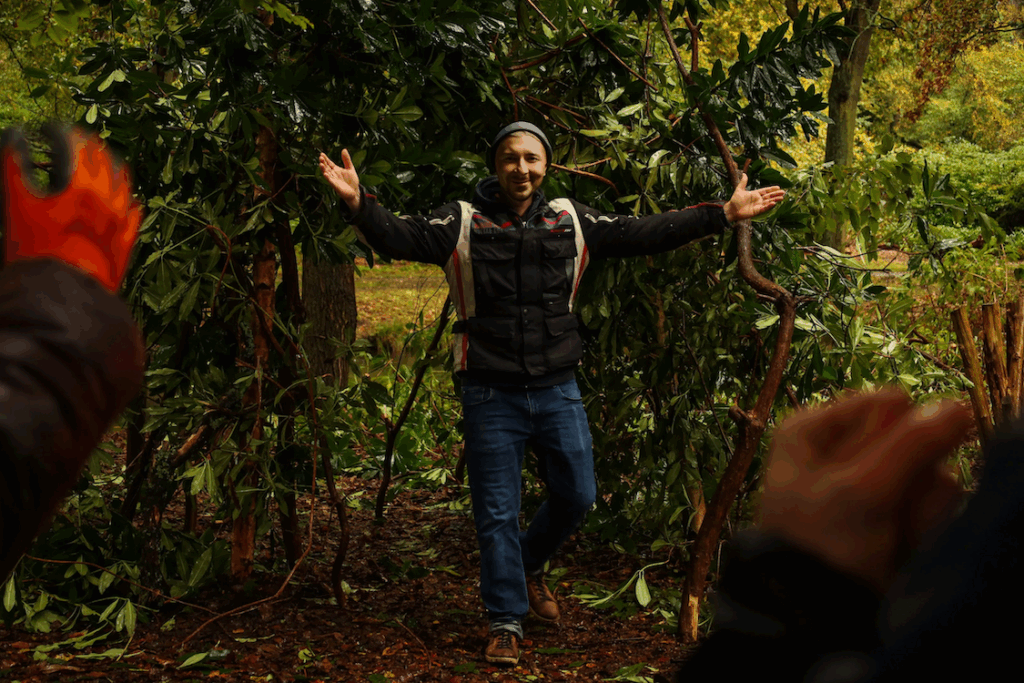
Returning to her A.W.E. framework – Awareness, Wonder, Experience – de Koning stressed the need for integration.
“After an experience, there needs to be time and method to integrate, to reflect, and to emerge with insight and energy.” – Dorchess de Koning
Sustainable change depends on reflection and iteration – in teams, design processes and life.
Conclusion: Why Awe Matters
For Dorchess de Koning, awe is not indulgence. It is infrastructure for learning, creativity and wellbeing.
“Awe is a portal – one that opens us to purpose and connection.” – Dorchess de Koning
Even within the perceived constraints of a digital platform, this latest Campfire proved that depth, presence and transformation are designable conditions.
What This Means for Experience Designers & Operators
From Dorchess de Koning’s Campfire, the message is clear: awe isn’t about spectacle. It’s about designing conditions for meaning and connection.
Experience professionals can:
- See awe as a strategic differentiator: what audiences remember long after they leave.
- Replace overstimulation with moments of stillness and presence.
- Use scientifically grounded awe practices to boost creativity and wellbeing.
- Design multi-layered experiences that link self, team and society.
- Build reflective time into activations, not just pre-launch hype.
About Dorchess de Koning and Awe Academy
Awe Academy designs outdoor learning experiences – including retreats, offsites and workations – that combine neuroscience, art, and embodiment to help individuals and teams grow personally and professionally.
Dorchess de Koning has worked with organisations across education, government, and technology, developing programmes that use creativity and reflection to drive lasting change.
About WXO Campfires
The WXO Campfire series invites global practitioners to share methods that advance the Experience Economy. These sessions are intimate, participatory and human – reminding us that experience design begins not with spectacle, but with attention.
To join the WXO, please head to our Join page. The WXO is a global home for the leaders, shapers and doers in the Experience Economy.
As a member, you will:
• Connect with members from such brands as AREA15, Secret Cinema, Disney, Meow Wolf, Layered Reality, Luna Park, Moment Factory and many more
• Get live access to Campfires like this one, with the chance to put your questions directly to expert speakers
• Have unlimited access to our on demand library of over 100 Campfire recordings
• Discover exclusive insights from experience pioneers such as Joe Pine, Bob Cooney, Laura Hess, Heather Gallagher, Kevin Williams, Pigalle Tavakkoli, Lou Murray and many more
• Connect with a network of 1,000+ experience professionals from over 40 countries
Join the next WXO Campfire to explore how experiences like these can help you, your team and your work thrive.