
How meaningful choices, clear boundaries and room to play can change what guests believe is possible.
Experiences are often described as an escape from reality. For a few hours, guests leave everyday life behind and enter another world.
Raj Samuel’s WXO Campfire explored a more intriguing possibility: what happens in these worlds can help people rewrite the realities they return to.
A guest who usually hangs back begins to lead. Someone who doubts their creativity invents a character. The experience offers evidence for a different story about themselves.
Over ten years and ten productions through his company, Malice, Samuel observed recurring patterns in how guests participated and, in some cases, how their behaviour changed.
He distilled these observations into five discoveries.
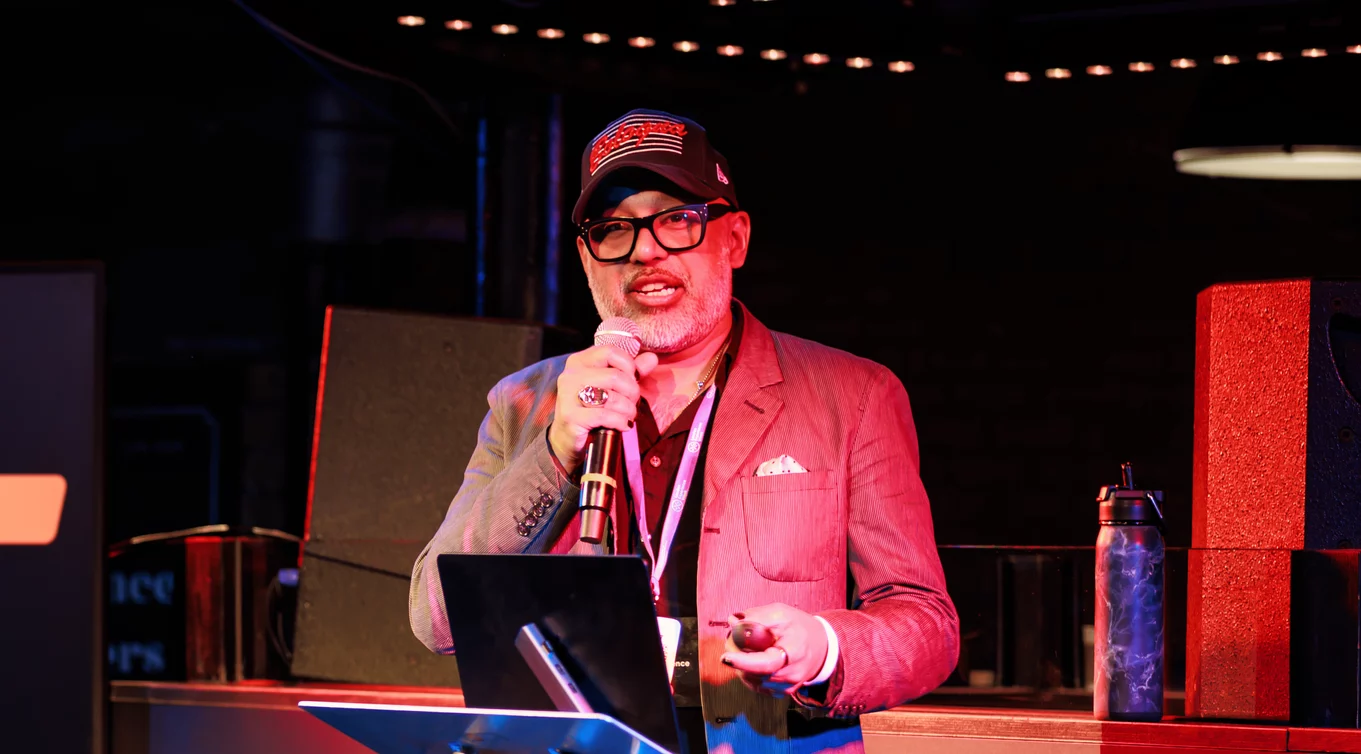
Raj Samuel is the founder of Malice Arts, creating immersive, story-driven experiences after a career in advertising at AMV/BBDO and Ogilvy.
His work explores how experiences reshape identity, combining brand strategy, immersive storytelling and insights from thousands of participants.
This Experience Briefing draws on a WXO Campfire with Raj Samuel and distils its most useful ideas for experience leaders.

1. The imagination gap
Give people evidence of what they could become
Daily routines can narrow people’s sense of possibility. We know how to behave at work, among friends and in public. An unfamiliar world offers an opportunity to lead, perform or speak to strangers without the expectations we often attach to our everyday identities.
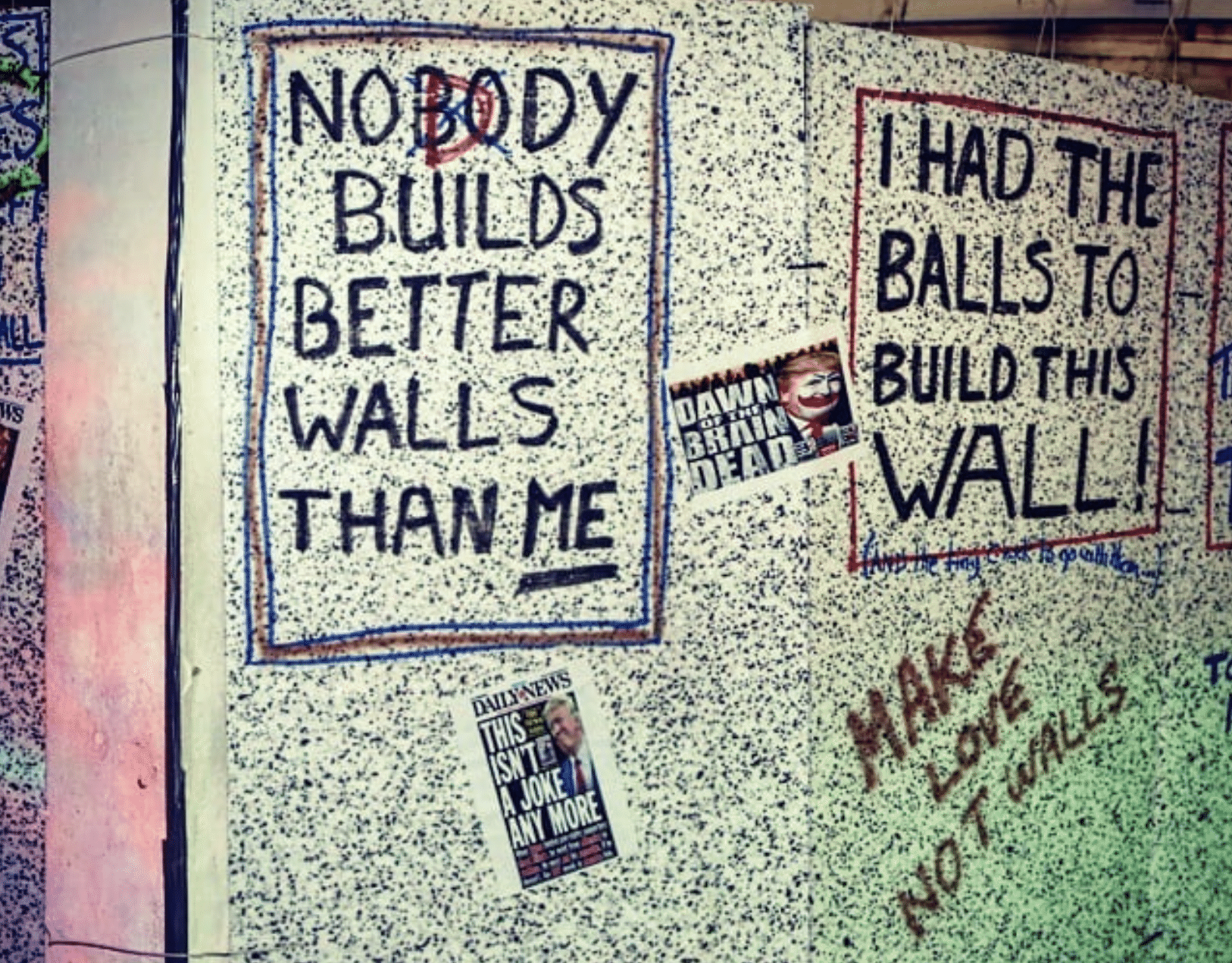
Samuel’s Trumpocalypse, staged before the 2016 US presidential election as an exaggerated end-of-the-world scenario, made that opportunity physical.
A wall divided the venue into two halves: a dark, decrepit American side and a colourful Mexican one. By obstructing the space, it frustrated guests.
Agents working the room hinted that something was about to happen. Then a member of the production team punched a hole through the wall. Guests realised they, too, could act. Together, they dismantled it, in what Samuel described as a “cathartic” moment.
The broader principle is meaningful agency. A choice matters when guests can see its consequences. Start with a possibility you want them to discover, such as “I can influence this” or “I can lead”, then design an action that makes it credible.
How to use this in your work: Which guest decision could dramatically change the experience, and how would guests recognise its impact?
2. The permission paradox
Clear boundaries can make participation easier
More choice does not necessarily mean more freedom. Faced with too many options, guests may spend their time trying to work out what is permitted rather than immersing themselves in the experience.
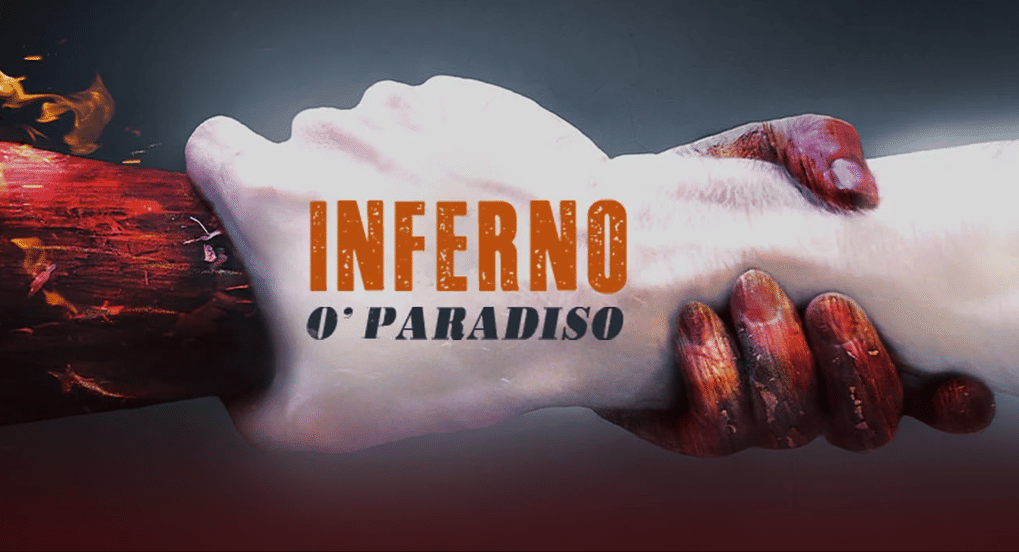
Samuel took this principle to an extreme in Inferno O’ Paradiso, an event inspired by Dante. Guests bought one of two types of ticket, Heaven or Hell. Friends and couples discovered only at the door that they would be separated.
Some resisted so strongly that the team faced something approaching a mutiny. Nevertheless, the guests entered and spent two hours on separate floors. A staged death in Heaven eventually brought the two worlds together in a ceremony in Hell.
Samuel argues that the separation gave guests a perspective they would not have gained in a single, mixed room. He summarised the principle as “permission beats precision”: by removing certain options, designers can make participation more straightforward.
There is an important distinction here. Uncertainty within an experience can create intrigue; uncertainty about what participation requires can create friction. The separation made the event distinctive and challenging, though the resistance at the door also exposed the risks of imposing constraints without warning.
How to use this in your work: Which decisions could we make on behalf of guests so they can concentrate on the experience itself?

3. The short circuit moment
Help guests take the first step beyond a familiar script
Guests may want to participate yet hesitate for fear of looking foolish or getting something wrong. Samuel calls the moment that interrupts this hesitation a “short circuit”.
His shorthand is “5, 4, 3, 2, 1, go”, borrowed from Mel Robbins. The countdown is a prompt to turn intention into action before hesitation takes hold.
In 1984 versus 1984, Samuel combined Orwell’s dystopia with the music and imagery of the 1980s. A bewildering game show, whose rules kept changing, led to Room 101, a dark and disturbing environment inspired by the novel.
Guests could hear screams from inside, yet entered anyway. They were blindfolded and placed in a cramped, pitch-black room, where they had to use their phones to find their bearings. Room 101 is an extreme example. But the same threshold exists in less confrontational experiences: the moment someone stops observing and commits to taking part.
Fear is not essential. A performer could offer a guest their first line, a host might start a group countdown, or two strangers might be given a simple task to complete together.
How to use this in your work: What small first action could help a hesitant guest commit to participating?

4. Identity editing
Make it safe for guests to stop holding back
People routinely adjust their behaviour to suit their surroundings. Someone playful may become restrained in a formal setting. Someone with a good idea
may remain silent because nobody else is speaking. Samuel calls this “identity editing”.
At The Blizzard of Odd, guests wore white while performers wore colour. One room, called Shush, featured a silent disco with two competing DJs. The colours of guests’ headphones revealed which audio channel they had chosen.
At a certain point, performers entered in slow motion, wearing outfits marked with the letter C: a clue to a hidden third channel. Guests who switched to it heard slower, orchestral music from Kate Bush, Enya and Enigma.
Once a few discovered the alternative, others followed. The performers had demonstrated a different way to participate before any guest attempted it.
The lesson is that permission need not be verbal. Seeing someone else behave differently can make an unfamiliar choice feel acceptable.
The Batman effect
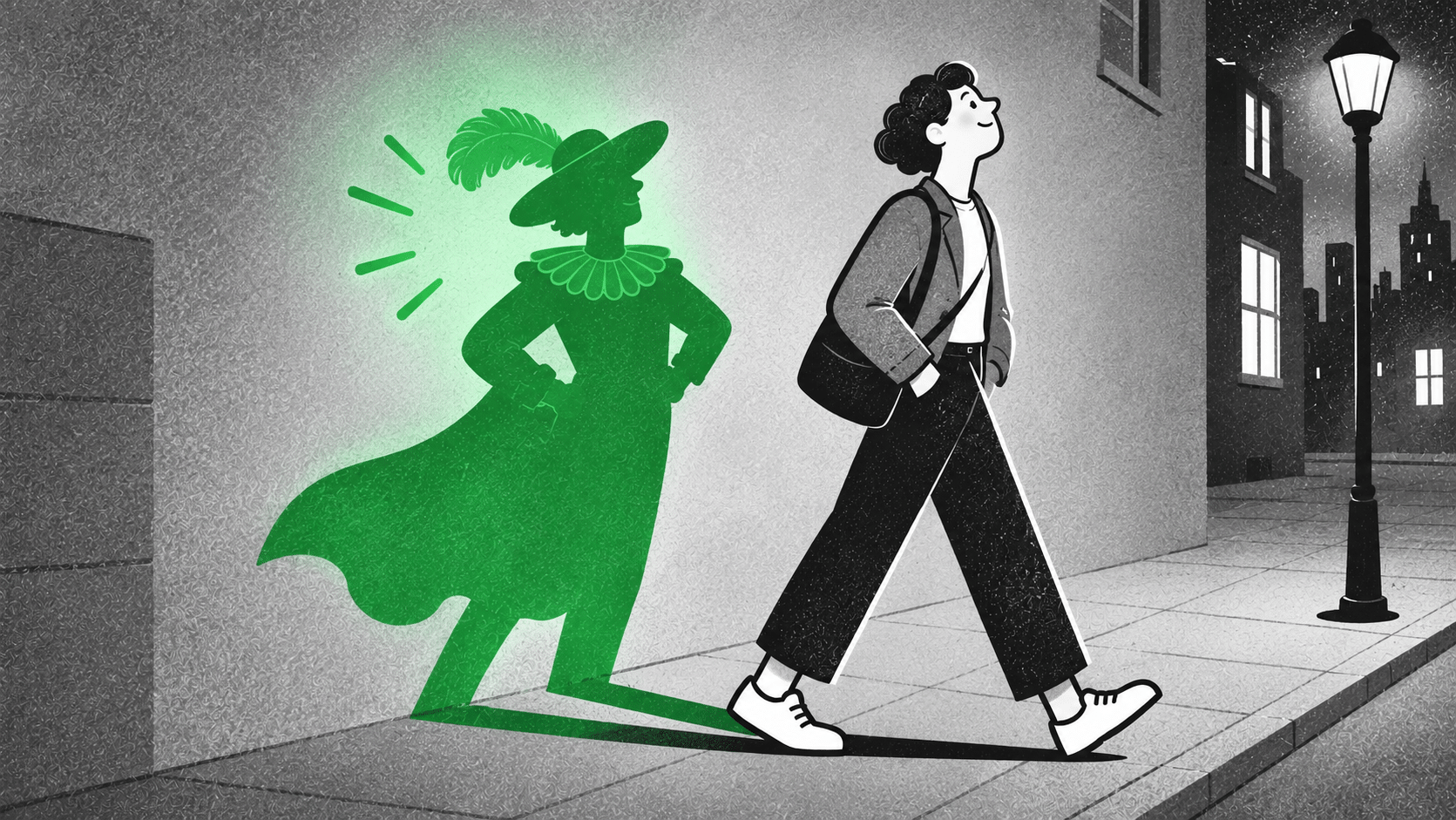
Samuel draws a parallel with what psychologists call the “Batman effect”. In a study published in Child Development in 2017, children asked to imagine themselves as Batman persisted longer at a tedious task than children encouraged to think about themselves in the first person.
The researchers proposed an explanation they called self-distancing: adopting another identity may help people step outside their immediate feelings and exercise greater self-control.
The study concerns children performing a simple task, not adults at an immersive event. But it offers a plausible explanation for why assuming a role might help guests participate. A character gives them something to do, as well as someone to be.
How to use this in your work: How can guests try different versions of themselves, and what would signal that doing so is welcome?
5. The afterglow effect
Look for what follows guests home
The real test of Samuel’s proposition comes after the experience ends. Do guests return to their familiar habits, or retain something of the person they became for the evening?
Most, he acknowledges, return to normal. They have enjoyed themselves, and that’s that.
Yet over ten years of Malice productions, Samuel noticed changes among some of the most loyal guests. They continued discussing events on online message boards, brought friends and returned dressed as though they belonged in the story. Eventually, some became the people leading the room.
Repeat visits may simply mean that guests enjoy the events, have made friends there or have grown familiar with how they work.
But the progression raises a more interesting possibility: experiences can give people a chance to rehearse behaviours they might once have avoided.
How to use this in your work: What should follow guests home, and what evidence would show that it had?
The bigger opportunity
Samuel’s five discoveries form an interesting sequence.
It begins with a meaningful choice – as seen in the imagination gap – which shows guests that what they do can change what happens around them.
Then, according to the permission paradox, clear boundaries remove the uncertainty that keeps people on the sidelines, so they spend less time wondering what is allowed and more time taking part. Once they are ready, a well-timed short circuit moment breaks the hesitation. A role gives them permission to behave in unfamiliar ways, and edit their identity. The afterglow is what survives the journey home.
These five discoveries suggest a practical brief for creative and commercial teams: decide what an experience might help guests believe about themselves, design a moment that makes the belief credible, and establish how to judge whether it worked.
An attraction might help someone discover that they enjoy performing. A museum might invite visitors to contribute interpretations of their own. A conference might give a reluctant attendee the confidence to approach a stranger.
Ambitions become useful only when linked to a specific moment and an observable behaviour. Otherwise, transformation risks becoming another vague promise of the experience economy.
Whether it pays commercially is a separate question. Experiences that matter personally might generate greater loyalty, more recommendations and repeat business. But these outcomes require evidence of their own.
Samuel’s productions suggest that experiences can do more than entertain. At their best, they let guests practise behaviours of the people they might become back in the real world.
How to use this in your work
- What could guests come to believe about themselves?
- Where does their participation make a visible difference?
- Which boundaries remove uncertainty, and which choices should remain theirs?
- What makes the first step easier for someone who usually hangs back?
- Which roles or behaviours are we making safe to try?
- What could guests take home with them?