Welcome to the fourth episode of The LXW26 Series, an eight-part video series produced by The Experience Designers Show in partnership with the WXO.
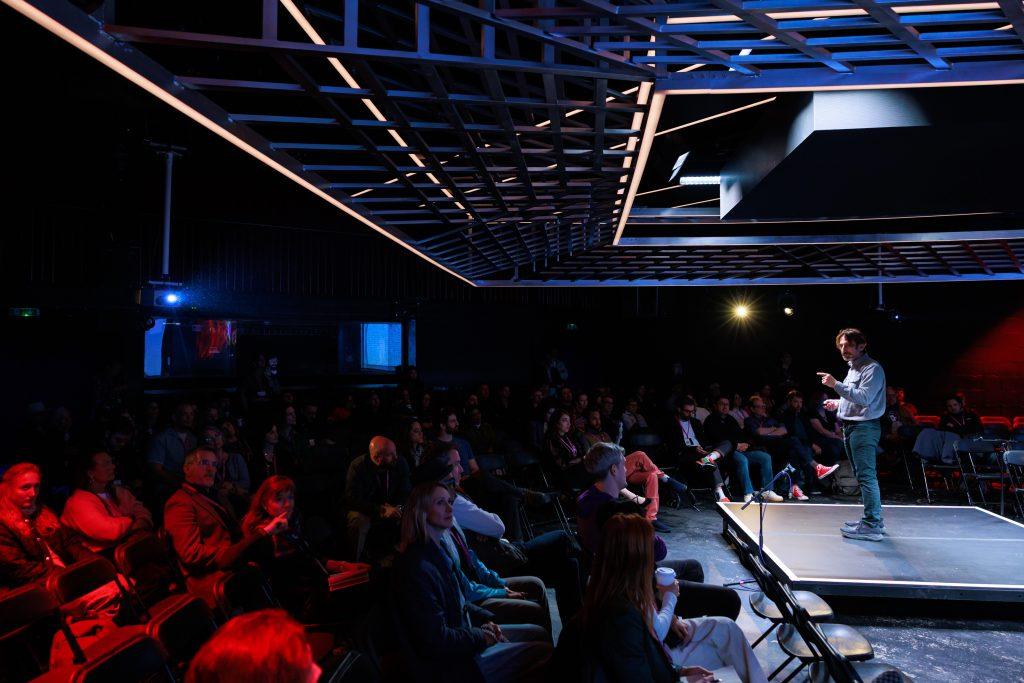
Recorded live at Ministry of Sound during London Experience Week 2026, this conversation is part of the WXO’s ongoing partnership with The Experience Designers Show. Over the coming weeks, you can expect a series of indepth conversations with some of the people shaping the future of the experience economy.
Episode 4: Abraham Burickson (Odyssey Works)
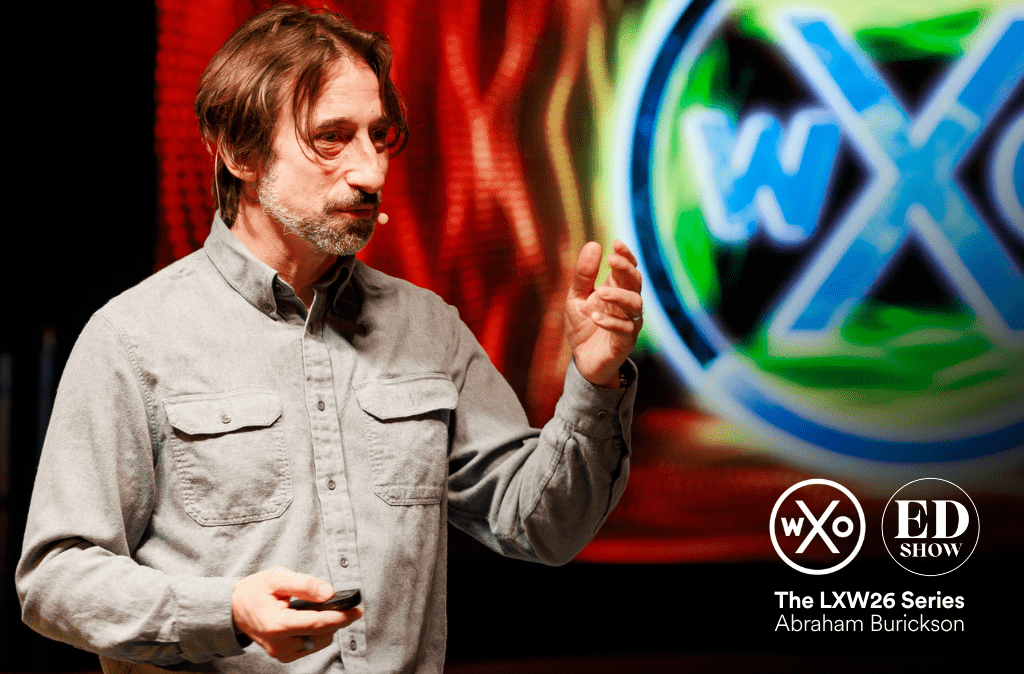
Our latest episode features Abraham Burickson, co-founder of Odyssey Works and the Experience Design Certificate Program.
Trained in architecture at Cornell University and in poetry and playwriting at the Michener Center for Writers, Burickson has spent more than two decades exploring the relationship between what people create and how it is experienced.
His work has taken him from immersive experiences designed for a single participant to studying with the Shuar of the Ecuadorian Amazon and the Whirling Dervishes of Turkey. He is also co-author of Odyssey Works: Transformative Experiences for an Audience of One and Experience Design: A Participatory Manifesto.
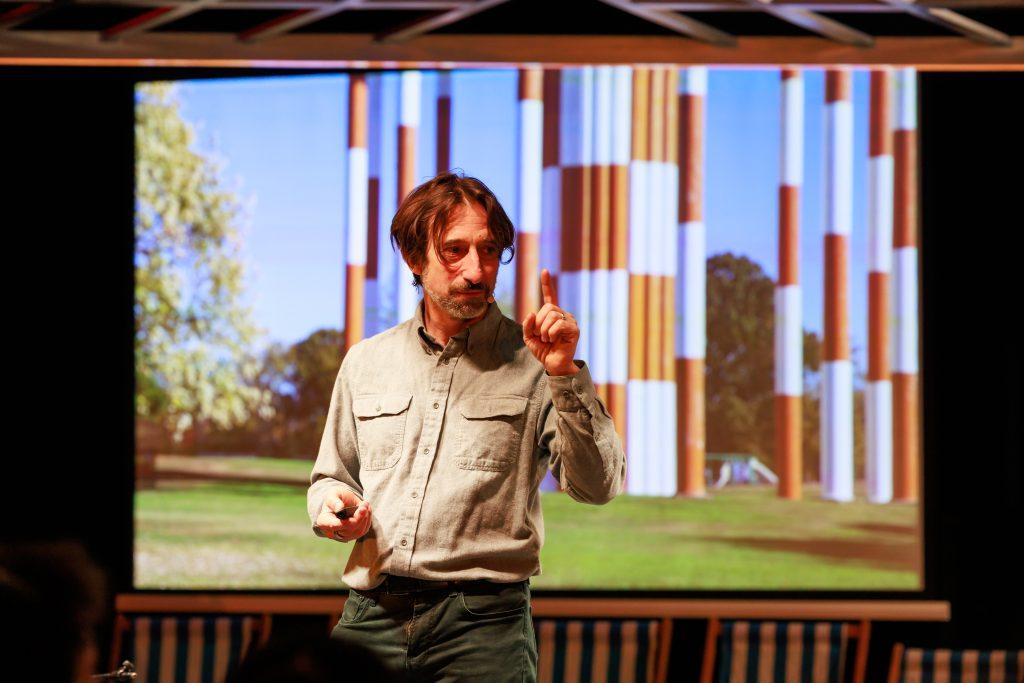
At London Experience Week 2026, Burickson delivered Worldbuilding the World, a keynote asking what might happen if experience design moved beyond creating memorable moments and became a tool for personal and collective transformation.
In this conversation with The Experience Designers’ Steve Usher, he takes that idea further.
His argument is that worldbuilding is not only something designers do when creating a fictional universe, immersive show or themed attraction.
We are building worlds all the time.
- Our families are worlds.
- Our workplaces are worlds.
- Schools, communities, religions, companies and countries are worlds.
Each has its own rules, roles, language, stories and assumptions.
Each encourages certain behaviours while making others feel impossible.
And many of the problems we are trying to solve are produced by the worlds we have already built.
In a conversation as wide ranging as it is inspiring, Burickson discusses:
- The one question that changes everything you make: what do I wish for this person?
- Why every world has its own physics, and how Rosa Parks and Gandhi performed “miracles” by breaking it
- How you become a different person in every world you enter, without ever noticing
- The building blocks of any world: physics, population, origin story, language, aesthetics
- Why “problem solving” is the wrong frame, and the question to ask instead
- What religion understands about experience design that most businesses never will
- Why children are losing agency, and how myth and mentorship can restore it
- Why the climate crisis is really a story crisis about our relationship with nature
We hope you enjoying watching and reading.
“Most of our problems could be understood as worldbuilding problems.”
– Abraham Burickson
We are always entering different worlds
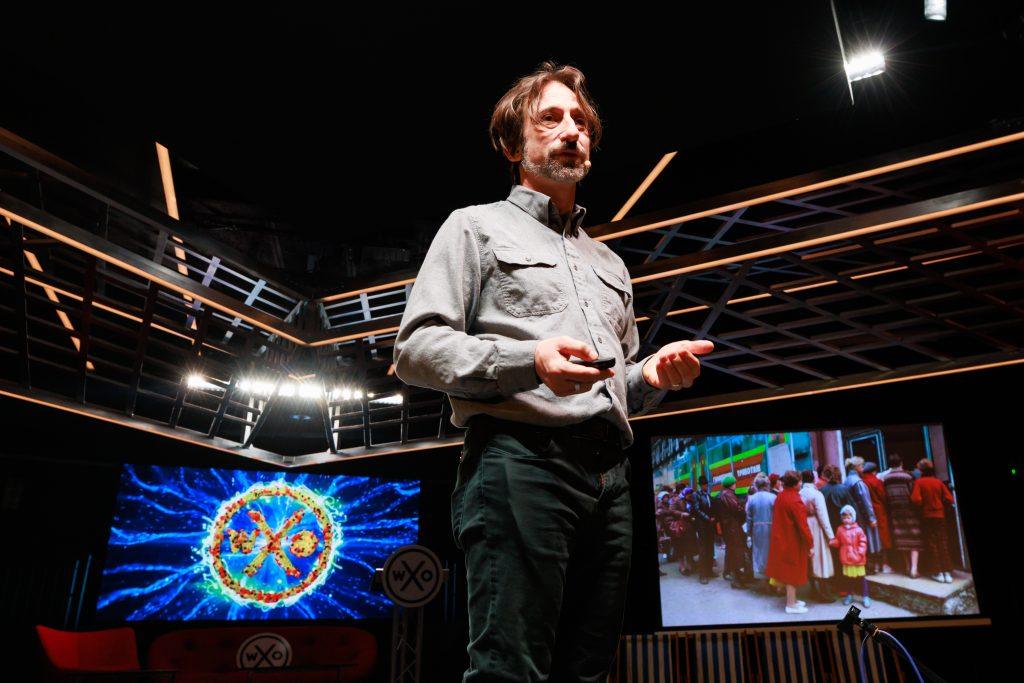
As with all the LXW26 interviews, the conversation begins inside a small room at Ministry of Sound.
Burickson immediately draws attention to the situation.
Steve is the host. Abraham is the guest. Both understand the role they are expected to play.
Steve should be curious, supportive and prepared. Abraham should be open, generous, humble – but not so humble that he has nothing interesting to say.
Neither of them was given a written list of these rules. They simply understand the world they have entered.
Burickson contrasts this interview with an earlier workshop in which the two men occupied different roles. Abraham was leading. Steve was a participant, encouraged to turn his attention inward.
The people were the same, but the world was different.
“You and I are in roles. You are the podcast host and I am the guest. It is totally known.”
– Abraham Burickson
We move through these different worlds every day. At home, at work, among friends and inside public spaces, we become slightly different versions of ourselves.
Most of the time, the transition is so natural that we do not notice it.
“I am always becoming what the world that I enter into wants me to be.”
– Abraham Burickson
Sometimes that feels comfortable. At other times, the role begins to “unstick”. We notice the difference between who we are and who the environment expects us to become.
That gap can be exhausting, particularly for someone who feels required to hide part of themselves to belong within a workplace or community.
But recognising the power of a world can also be liberating.
It reveals that identity is not entirely fixed. A carefully designed environment can give someone permission to become a person they cannot easily be elsewhere.

Burickson gives the example of Punchdrunk’s Sleep No More. Guests put on masks and enter the performance as silent, anonymous figures.
The mask does not only conceal them. It offers a different role.
“Why did people love putting on the mask and becoming this ghost so much? I would argue it’s because they never get to be that person.”
– Abraham Burickson
This is one of the clearest powers available to experience designers.
An experience can temporarily change what a person believes they are allowed to do.
It can make them more curious, courageous, playful, reflective or open to other people.
But that requires more than an attractive environment. It requires a world that supports the behaviour.
Every world has its own physics
When people talk about worldbuilding, they often begin with visual design.
What does the world look like? What are the:
- costumes
- buildings
- props
- colours
- textures
Burickson argues that these elements matter, but they are only one part of the system.
Every world also has what he calls its physics.
In a fictional universe, the physics might determine whether people can fly, use magic or move objects with their minds.
In everyday life, subjective physics determines how people are expected to move, behave and interact.
For example, London has a transport system, daily rhythms and expectations around personal space. A school determines when children may speak, where they sit and whether they need permission to leave a room. A workplace establishes who can make decisions, who can challenge an idea and whose knowledge is taken seriously.
These are not physical laws. They are social agreements.
But once they become established, they can feel just as permanent.
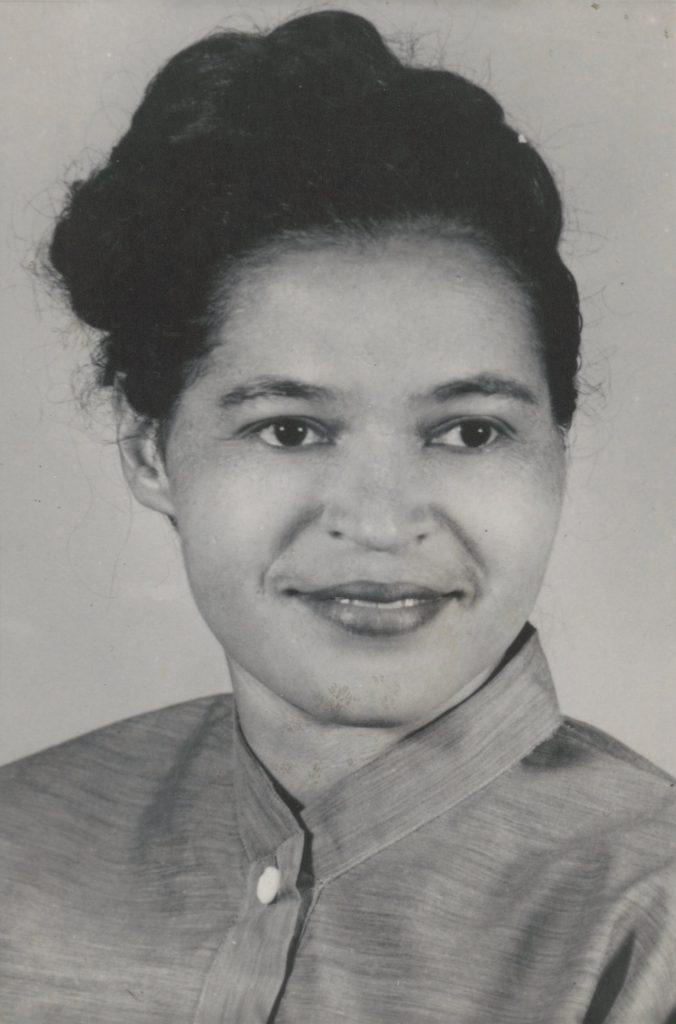
Burickson uses Rosa Parks’ refusal to move to the back of a segregated bus as an example.
“Rosa Parks broke the physics of her world.”
– Abraham Burickson
Her action was physically small. She remained seated.
But within the social world of segregation, that action contradicted a rule that had been presented as fixed.
Burickson argues that Gandhi can also be understood as a worldbuilder. Without the military power of an empire, he helped make different behaviours, relationships and political outcomes imaginable.
The point is not to reduce complex political movements to experience design.
It is to recognise that changing the world often begins by challenging the rules that people have been told cannot change.
A world is more than an aesthetic
Burickson describes several connected elements that give a world its shape.
- It has a physics: what people can do and how actions are expected to work.
- It has a population: the people within it and the roles they are given.
- It has history and myth: stories explaining where the world came from and what it values.
- It has a current story: an understanding of what is happening now and where the group believes it is going.
- It has language and symbols: the words, gestures and signs through which people recognise one another.
- And it has aesthetics and material culture: how the world looks and feels.
Strong worlds align these elements.
Weak worlds say one thing in their origin story while doing something completely different in practice.
Burickson gives Meow Wolf as an example of an organisation with a powerful founding story: a group of artists working outside established systems to make ambitious, unusual work together.
That story helps people understand why Meow Wolf exists and why they might want to visit.
But every organisation eventually has to reconcile its current behaviour with the story it tells about its beginnings.
“Stories tell us the moral core of a world. They tell us what it’s about.”
– Abraham Burickson
When the story feels true, it strengthens the world.
When it feels like marketing added after the fact, people stop believing in it.
This should matter to any organisation designing a brand experience.
A brand world is not simply a consistent palette, tone of voice and set of visual assets.
It is also:
- Who has authority
- How guests are treated
- Which behaviours are rewarded
- What staff are allowed to do
- What story the business tells about itself
- Whether its actions support that story
- What role the audience is invited to play
The visual identity may be beautiful. But if the operating rules contradict it, the world will not feel convincing.
Aesthetics can communicate agency
Even when we focus on visual design, Burickson argues that aesthetics often carry a deeper idea about how the world works.
He uses steampunk as an example.
Its appeal does not come only from brass machinery, elaborate clothing, pipes, gauges and imagined Victorian inventions.
It also presents a world in which individuals appear to understand and control the technology around them.
A machine can be opened, repaired or changed. An inventor can build something extraordinary in a workshop.
That is very different from our relationship with much contemporary technology.
Most people carry highly sophisticated devices but have little understanding of how those devices function. They cannot open them, alter them or repair them.
The steampunk aesthetic therefore implies a different relationship between people and machines.
“It’s not just that the thing looks cool. I look at a me that I could be in that context.”
– Abraham Burickson
This is a useful test for experience designers.
When someone looks at the world you have built, who can they imagine becoming inside it?
- A guest?
- A customer?
- A player?
- An explorer?
- An expert?
- A collaborator?
- A hero?
- A witness?
A well-designed world communicates not only what it is, but who the participant can be.
Language helps determine what a world can contain
Worlds also produce their own languages.
This does not necessarily mean inventing an entirely new language. It can mean the particular words, references, gestures and symbols used by a community.
Different generations create their own expressions.
- Professions develop specialist terms.
- Companies build internal language.
- Fan communities develop phrases that allow members to recognise one another.
Language does more than communicate information. It carries assumptions about identity and culture.
Burickson discusses the idea that we may struggle to think about something when we lack the language to describe it.
The Portuguese word saudade, for example, describes a complex combination of longing, absence, affection and nostalgia that has no clean English equivalent.
Giving something a name makes it easier to notice, discuss and share.
For worldbuilders, language can therefore open or close possibilities.
The words used to describe audiences, workers, children, nature or communities shape how those groups are understood.
“Consumer”, “guest”, “participant”, “member” and “citizen” are not interchangeable. Each creates a different relationship.
The vocabulary of a world reveals what kinds of relationships it is prepared to imagine.
Stop asking only what problem you can fix
Much of modern design practice begins with a problem.
- What is not working?
- What does the user find difficult?
- Which pain point can be removed?
- What business problem needs to be solved?
These are useful questions. Burickson does not suggest ignoring them.
But he believes worldbuilding offers a larger starting point.
“It’s not saying, ‘What’s a problem we can fix?’ It’s saying, ‘What is the world and the life we want?’”
– Abraham Burickson
Problem-solving is reactive. It begins with what already exists and attempts to improve part of it.
Worldbuilding begins by imagining the conditions we are trying to create.
Problems will still appear along the way. But the work is moving towards a chosen world rather than only responding to the shortcomings of the current one.
Consider education.
A conventional design process might ask:
- How can we improve exam results?
- How can we increase attendance?
- How can we keep children focused?
- How can we introduce technology more effectively?
A worldbuilding process might begin elsewhere:
- What relationship should children have with learning?
- What should becoming an adult feel like?
- How much agency should a child have?
- What role should teachers, families and communities play?
- What should a child believe they are capable of becoming?
The second group of questions does not immediately produce a new app, classroom or curriculum.
It first defines the world in which those interventions will operate.
Children are responding to the worlds adults have built
One of Odyssey Works’ current projects examines children’s loss of attention, agency and community.
Burickson has spent years teaching university students and says he increasingly hears young people ask:
“Who am I to have an opinion?”
– Abraham Burickson
For him, that is not simply an individual confidence problem.
It suggests a world in which young people have not been given enough opportunities to practise having influence, accepting responsibility or contributing to the community around them.
It is easy to criticise the behaviour of a generation.
But Burickson redirects responsibility towards the environment.
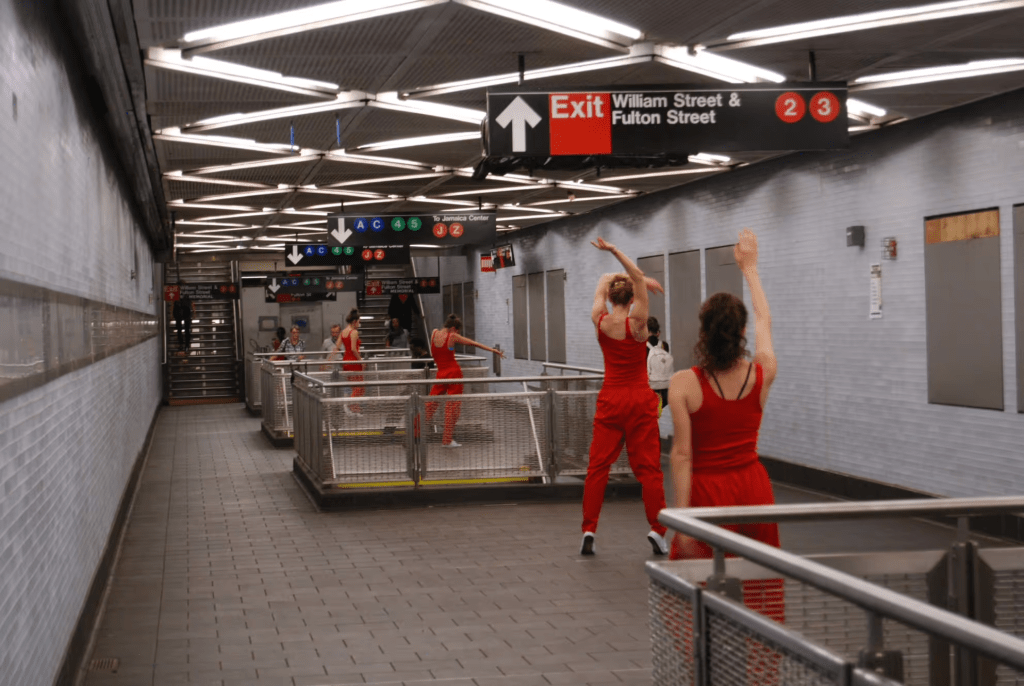
“This is what our world produces.”
– Abraham Burickson
If young people struggle to concentrate, feel powerless or find it difficult to enter adulthood, we should examine the systems, roles and stories surrounding them:
- What agency have they actually been given?
- Where are the moments that formally recognise their growth?
- Who outside their immediate family has taken responsibility for guiding them?
- What contribution does the community expect them to make?
Many traditional cultures and religions have clear rites of passage. A child passes through an experience and is recognised by the community as having entered a new role.
A bar or bat mitzvah, for example, places a young person before the congregation and gives them visible responsibility.
Contemporary secular culture often offers fewer shared transitions. University can perform some of this role by removing people from their familiar context and allowing them to return with a changed identity.
But even this transformation is becoming less certain.
The word “adulting” captures part of the problem. Adulthood has become something a person occasionally performs rather than a role they confidently enter.
What religion understands about experience design
Burickson argues that religions contain highly developed experience-design systems.
They combine:
- Narrative
- Participation
- Symbolism
- Architecture
- Music
- Food
- Clothing
- Repetition
- Community roles
- Changes in status
- Seasonal rhythms
- Experiences that unfold across a lifetime
A religious story is not encountered only once.
It returns through weekly rituals, annual festivals, family practices and major transitions from birth to adulthood and death.
The participant does not simply hear the story. They eat, sing, move, gather and perform actions within it.
Burickson uses Passover as an example.
The Haggadah acts as a script. People have roles. Food carries meaning. Questions are asked. The story is retold through a participatory and multisensory meal.
It is not designed only to communicate information. It keeps a community inside a shared narrative.
“We talk about events in the experience design world, but we don’t generally think about experience design over the lifetime. Religions do.”
– Abraham Burickson
This does not mean commercial experiences should imitate religion or treat belief systems as a collection of useful engagement tactics.
It does suggest that experience designers can learn from systems that understand repetition, ritual, meaning and long-term participation.
Many experiences focus almost entirely on the day of attendance.
A visitor arrives, completes the journey and leaves.
A stronger world might begin before the visit, return afterwards and contain moments that deepen over years rather than hours.
Myth was never just a story
Burickson makes a similar argument about myth.
Modern audiences often encounter myths as written stories: a text explaining what a god or hero once did.
But myths historically operated within communities.
They provided models of behaviour. Members of the community encountered people who occupied recognisable roles from the stories. Rituals allowed participants to enter those stories physically and socially.
A myth could help someone move from childhood to adulthood, understand sacrifice, recognise responsibility or interpret their place in the community.
“You are part of the story in a multisensory way.”
– Abraham Burickson
For experience designers, this raises a challenging question.
Are we simply telling people a story, or are we creating a system in which they can use that story to understand themselves?
A themed environment may contain characters and mythology. But unless the participant is given a meaningful relationship to them, the mythology remains decoration.
The most powerful stories do not only explain what happened to somebody else.
They help us understand what might be happening to us.
Give children ownership of their stories
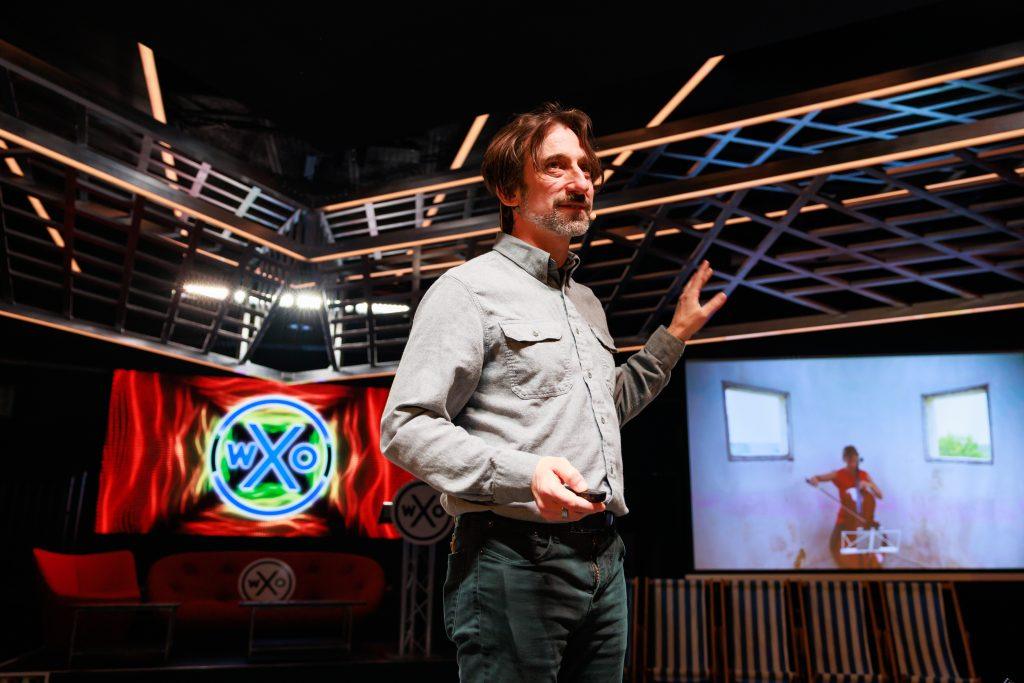
Odyssey Works is applying these ideas through a project intended to increase children’s agency, attention and sense of community.
One element is the introduction of “story masters”: trusted adults already connected to the child, but who are not their parents.
Burickson compares this role to Obi-Wan Kenobi.
Luke Skywalker’s aunt and uncle care for him, but his mentor comes from outside the immediate family. That distance allows a different relationship to form.
The project also gives children greater ownership over the narratives they encounter.
A book discovered voluntarily can become personally important. The same book imposed as an assignment may feel like an obligation.
The work therefore uses progression, mentorship, community, wonder and story to create a world in which children can become “masters of storykeeping”.
It is not gamification added as a superficial reward system.
It is an attempt to redesign the role the child is invited to play.
Begin with what you wish for someone
The most practical question in the conversation is also the simplest:
“What do we wish for the people we’re designing for?”
– Abraham Burickson
This is different from asking what outcome the organisation wants.
A business might want more sales. A museum might want more visitors. A conference might want higher satisfaction scores. A platform might want people to spend more time using it.
The question of what we wish for the participant begins from a more empathetic position:
- Do we wish for them to feel confident?
- To connect with another person?
- To notice something they usually overlook?
- To feel that they belong?
- To experience wonder?
- To recognise their own agency?
- To leave better able to act?
Burickson applies the question to today’s interview itself.
He and Steve both want the programme to succeed. But Abraham also wants Steve to have a valuable conversation, and he wants the audience to feel moved towards action.
Those wishes influence how he listens, responds and occupies the role of guest.
The principle also applies at a much smaller scale.
What do you wish for the person whose breakfast you are making?
The answer might change how you make it, present it or share the moment.
The action remains ordinary. The intention changes the experience.
“If I’m doing things from my wish for somebody, I’m living the life that is closer to the way I want to be.”
– Abraham Burickson
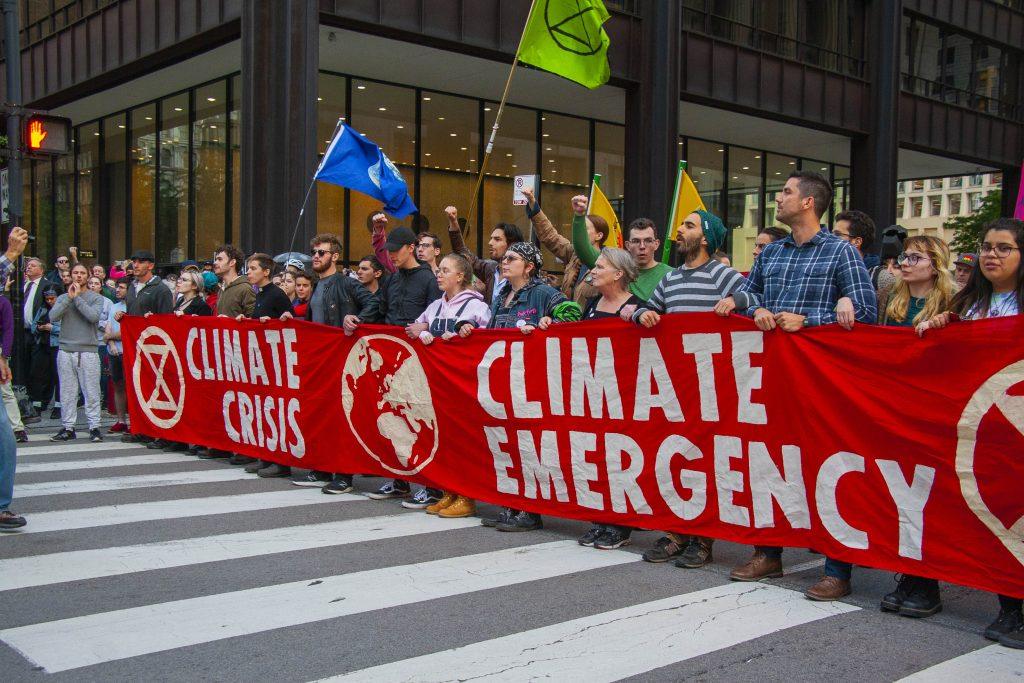
The climate crisis is also a worldbuilding problem
The climate crisis is objectively real. It cannot be solved only by telling a more appealing story.
But Burickson argues that our repeated failure to respond at the required scale is partly rooted in the world we have constructed around nature.
The dominant relationship is often extractive.
The phrase “natural resources” presents nature as a collection of materials available for human use.
Games, religions, political systems, advertising and education repeatedly reproduce stories in which nature is something to master, consume or convert into value.
Even environmental arguments can fall into this pattern.
The Amazon is sometimes defended because it may contain plants from which future medicines can be developed. The forest is still being valued according to what humans might extract from it.
Burickson calls this the “taker narrative”.
“Nature is not something that we are in balance with in our narratives.”
– Abraham Burickson
Individual actions such as recycling or driving an electric vehicle may be worthwhile. But they do not automatically change the underlying relationship.
A worldbuilding approach asks a deeper question:
What stories, rituals, roles and experiences would help people understand themselves as part of nature rather than separate from it?
What if animals were understood as other communities?
As a young architecture student, Burickson lived with the Shuar in the Ecuadorian Amazon.
One observation stayed with him.
The community spoke about monkeys as another tribe.
This was not a poetic phrase or environmental slogan. The relationship felt personal. Monkeys had agency. They could please, annoy or surprise people. They were treated as another community occupying the same world.
“Can you imagine thinking of animals as just another tribe from you?”
– Abraham Burickson
Burickson contrasts this with the difficulty many people in industrialised societies have in imagining animals as anything other than wildlife, food, property, pests or resources.
He also discusses his wife’s Native American family, where fishing is accompanied by protocols of gratitude towards the animal that enables the community to survive.
The important point is not the performance of gratitude.
It is a world in which gratitude is understood as the correct relationship.
Experiences can help make such relationships real.
A lesson explaining that humans are part of nature may provide information.
Time spent caring for a place, participating in a seasonal ritual or taking responsibility for another living system can create a different identity.
The participant does not only learn that they are connected to nature.
They practise being someone for whom that connection has consequences.
Small communities can change the rules
Problems such as climate change, political division and social isolation can make individual action feel insignificant.
Burickson does not suggest that small communities can replace governments, regulation or large-scale coordination.
But he argues that communities can begin to change the physics of their own worlds.
- A family can agree on a new ritual.
- A school can give children a different form of responsibility.
- A workplace can change who is permitted to speak or make decisions.
- A neighbourhood can create a new relationship with the land around it.
- An experience-design community can apply its skills beyond entertainment.
“We have all the tools. We know about worldbuilding. We know about narratives. We know about creating experiences of wonder and awe. We just have to start applying that back into how we’re building our families, our communities and our education systems.”
– Abraham Burickson
Small worlds overlap with larger ones.
Change a role and it may change the language. Change the language and it may alter the story. Change the story and different behaviours may become possible.
Worldbuilding is not a single intervention.
It is the connected work of aligning the parts of a world around a different way of living.
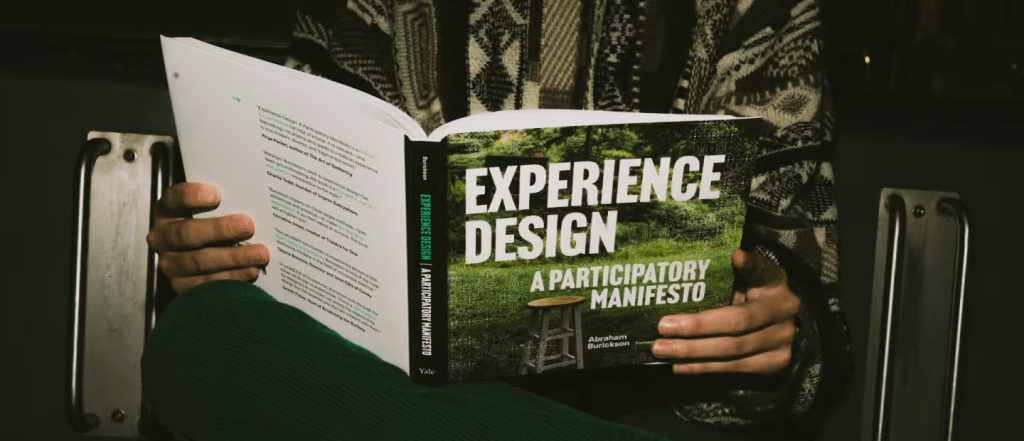
What this means for experience designers
Burickson’s argument expands the responsibility of experience design.
Experience designers already understand how to:
- Create roles
- Structure journeys
- Focus attention
- Develop narratives
- Use symbols and language
- Establish rules
- Encourage participation
- Build anticipation
- Create ritual
- Produce wonder and awe
- Help people temporarily become someone different
These tools are commonly used to build performances, attractions, events, exhibitions and brand experiences.
Burickson asks what might happen if they were also used to address education, childhood, community, climate and social change.
The first step is to stop treating the current world as the only possible starting point.
Look at its physics.
Who can act? Who must wait for permission?
Look at its population.
Which roles are available, and who is excluded from them?
Look at its origin story.
What does the organisation or community believe it was created to do?
Look at its language.
What relationships do its words make possible?
Look at its rituals.
Which behaviours are repeatedly practised and reinforced?
Look at its aesthetics.
What kind of person does the world invite someone to imagine becoming?
Then ask:
- What world do we actually want?
- And what do we wish for the people who will live inside it?
Worldbuilding is often associated with escape: leaving ordinary life and entering somewhere imaginary.
Burickson offers a different purpose.
Worldbuilding can help us see that ordinary life has already been designed.
Once we recognise its rules, we can begin to change them.
Watch the full conversation
This article summarises the latest interview in The LXW26 Series, produced through the partnership between WXO and The Experience Designers Show at London Experience Week. Watch the full conversation with Abraham Burickson above, or follow through to The Experience Designers Show for the complete episode.
Coming next in The LXW26 Series
This is the fourth of eight full-length conversations filmed live at London Experience Week 2026 and shared here as part of the WXO / The Experience Designers Show partnership.
Watch now:
- Dr Amna Khan — Consumer behaviour expert, 1,000+ media appearances on BBC, ITV, Channel 5.
- Lea Karam — Founder, MindScope Labs; working with clients including Google, Pinterest, TikTok, BBC, ITV and AMEX.
- Coming up:
- Paul Nicholls — CEO + CCO, Factory Fifteen; BAFTA and Emmy Award-winning director, with work connected to The Sphere.
- Abraham Burickson — Co-founder, Odyssey Works; immersive pioneer and Yale University Press author.
Coming up:
- Eyal Danon — Co-Founder, COGS / Clockwork Dog; the platform powering experiences for Punchdrunk, Secret Cinema and Netflix House.
- Anam Ahmad — CCO, The Hanging House; award-winning agency founder and Forbes 30 Under 30 honouree working across the UAE and KSA.
- Joe Pine — Author and experience economy thinker; widely recognised as the father of the Experience Economy.
- Vance Garrett — Director and storyteller; formerly of Sleep No More, Museum of Ice Cream and 29Rooms.
We’ll be publishing each conversation as part of this series on the WXO website, exploring how experience thinking is changing the way brands, places, communities and organisations create value.